The power to choose, or what humans possess that machines do not
Thanks to the internet, we can access an enormous amount of information. And more recently, with the emergence of generative AI, we can even generate an infinite amount of new information. As a result, the total amount of information that exists in the world continues to grow without limit.
What becomes problematic in such a situation is deciding what not to include. From the vast sea of information, we must constantly judge what is usable and what is not.
Take cooking as an example. When you try to make a delicious rolled omelet, you don’t actually need many ingredients. If you keep adding seasonings and ingredients indiscriminately, it turns into something like a chaotic hot pot. Design is about subtraction. By achieving harmony with the smallest necessary elements, something good is created.
In other words, having more information may not be an advantage. Rather, having an aesthetic sense to evaluate that information is what matters. When every option is available, choosing the best one among them requires human sensibility.
Generative AI is often talked about as if it were omnipotent. With this technology, people say, anything can be achieved. But reality is not that simple. In fact, we must be careful not to introduce noise.
Generative AI, based on statistical data, will likely choose what is most commonly selected—the greatest common denominator. It may be able to consistently produce results that score around 70 out of 100. However, things that make people say, “This is truly unique and impressive,” may not be derived from the greatest common denominator.
It may be possible to train a model to possess originality, but then the question becomes: what kind of training should be given? At that point, the human sense of taste and values are once again put to the test.
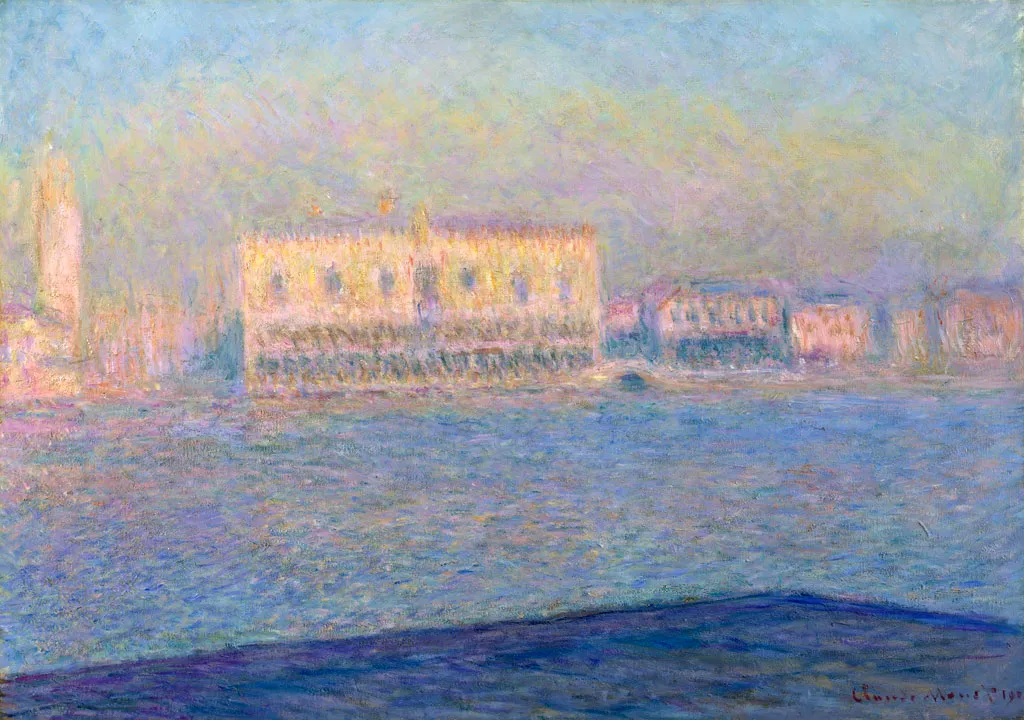
This is also what makes art so difficult. Art does not have clear-cut criteria. Precisely because there are no fixed standards, art has value. People judge whether something is good or bad based on a sense of “I don’t know why, but this feels right.” A fluctuation of just 0.1 millimeters in a line might become the very source of a work’s charm. There exists a value system completely different from utility.
Why do such values emerge? It may be because of the power of individual “stories.” The accumulation of what a person has experienced, felt, and thought shapes their personal story. And that story, in turn, forms their sense of beauty and their values.
That is why different people perceive the same work differently. If AI were embedded in a standalone robot and allowed to possess its own unique story as an individual entity, it might develop a different set of values—but that is still a long way off.
Beauty. Aesthetic awareness. A sense of aesthetics. Discerning taste. Values. Philosophy. Things for which no rational criteria exist. The ability to choose Yes or No based on such things—that, at least for now, is what I have come to think of as a fundamental value of being human.